Plate Heat Exchanger About
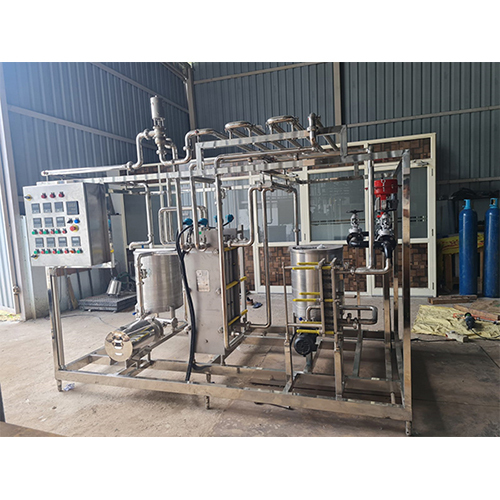
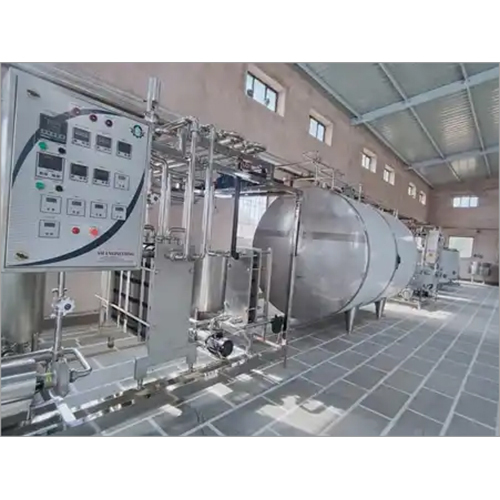
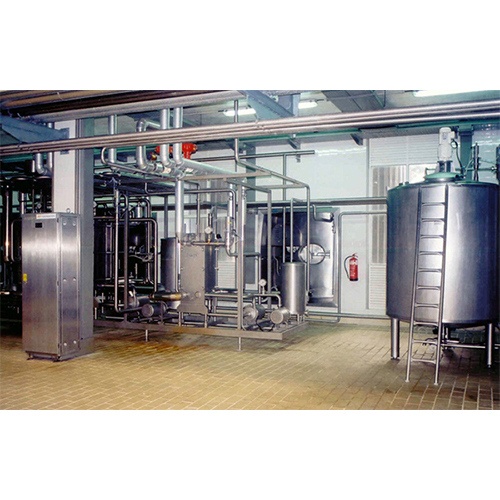
Our company is devotedly involved in offering Plate Heat Exchanger. This heat exchanger uses a series of specially designed metal plates to transfer heat between two fluids. The two fluids flow through alternate channels in the PHE, with the plates acting as a barrier between them. The heat is transferred through the plates from the warmer fluid to the cooler fluid. The design of the plates allows for increased surface area and turbulent flow, which enhances heat transfer. Plate Heat Exchanger is utilized in a variety of industries, including HVAC, refrigeration, chemical processing, and food and beverage production.
Superior Heat Transfer EfficiencyEngineered with precision, our Plate Heat Exchanger maximizes thermal transfer through its extensive stainless steel plate surface, resulting in rapid temperature control and reduced energy costs. Its innovative plate design promotes efficient mixing and heat exchange, ensuring optimal performance across diverse industrial processes.
Robust and Lasting MaterialsFabricated from premium stainless steel, our heat exchanger offers remarkable resistance to rust, corrosion, and chemical impacts. This ensures a longer service life, reduced maintenance intervals, and safe operation even under demanding industrial conditions.
Streamlined Semi-Automatic OperationThe semi-automatic control system integrates manual reliability with automated features for seamless heat exchange operations. This setup enables precise adjustments, simplified monitoring, and enhanced productivity while maintaining ease of use for operators.
FAQ's of Plate Heat Exchanger:
Q: How does a plate heat exchanger operate in industrial applications?
A: A plate heat exchanger uses closely arranged stainless steel plates to transfer heat efficiently between two fluids without mixing them, commonly used for heating, cooling, and energy recovery in industrial environments.
Q: What benefits does high efficiency provide when using this product?
A: High efficiency ensures rapid thermal transfer, minimizing energy consumption and operational costs. This translates to increased productivity and lower utility expenses for industrial facilities.
Q: When should you use a stainless steel plate heat exchanger?
A: Use a stainless steel plate heat exchanger when your process requires robust performance, resistance to corrosion, and reliable heat transfer, particularly in demanding or hygienic industrial applications.
Q: Where can a plate heat exchanger be installed within an industrial setup?
A: It can be integrated wherever heat exchange is necessary, such as in power plants, food processing units, chemical facilities, and HVAC systems, thanks to its versatile and compact design.
Q: What is the process for operating the semi-automatic control system?
A: The semi-automatic control system allows operators to manage essential functions manually, while certain tasks are automated for improved efficiency and accuracy, requiring minimal training and oversight.
Q: How does the product's good quality impact its performance?
A: Constructed from high-grade stainless steel, this heat exchanger provides consistent performance, extended durability, and resistance to common industrial challenges like corrosion and temperature fluctuations.

 Send Inquiry



 Send Inquiry

